Super Clean Services
At CPP, how projects are delivered matters just as much as what’s delivered. Across our NSW projects, Indigenous-owned businesses are part of that in a very practical way; from site services through to workforce delivery.
At Orana BESS, for example, Super Clean Services supports day-to-day site operations, helping keep things safe and running smoothly.
This isn’t separate from the work — it’s built into how projects are delivered.
Natasha from Super Clean Services is a proud Indigenous business owner born and raised in Wellington, NSW. For sixteen months, Super Clean Services provided cleaning services at Orana BESS, playing an important role in supporting the site and the people who worked there every day.
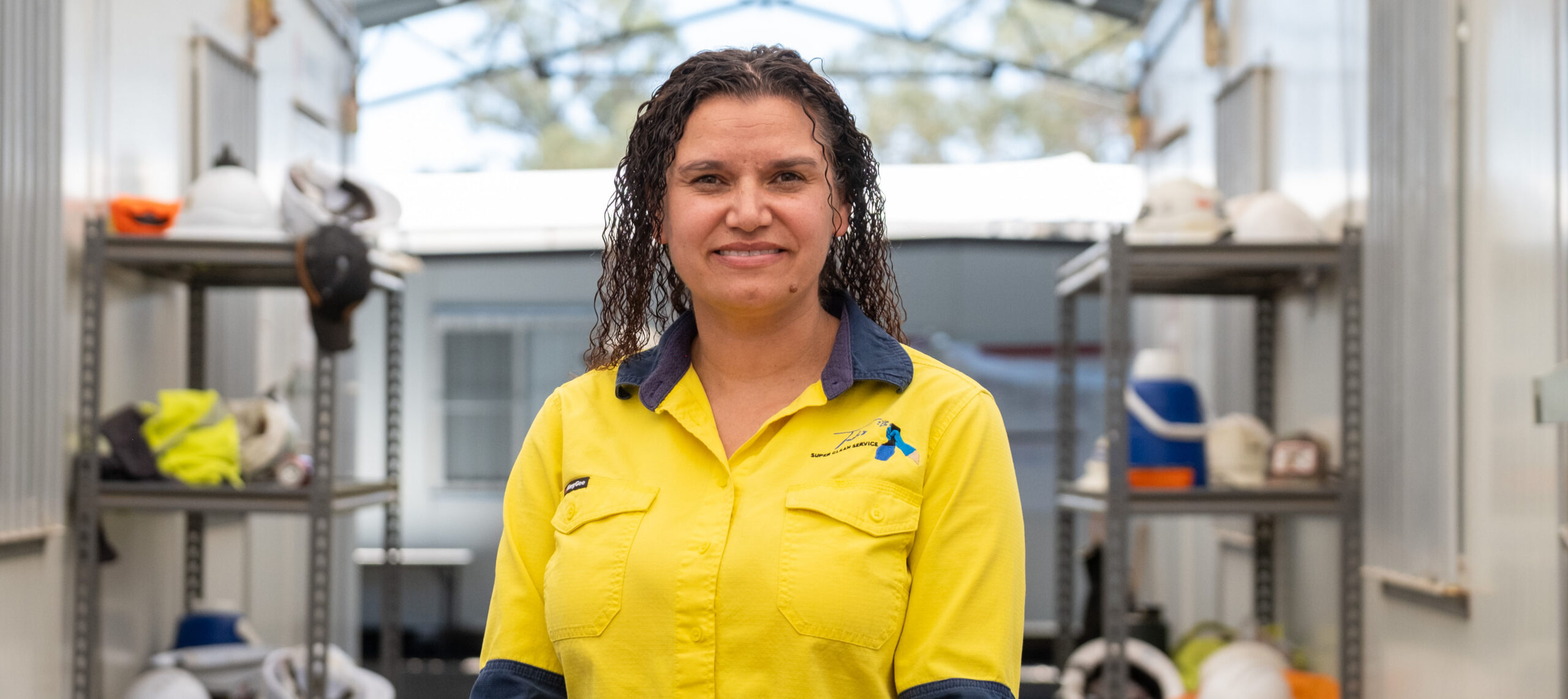
Natasha heard about the opportunity through word of mouth from another contractor, a reminder of how strong local networks can open doors to new possibilities. After meeting Site Manager Peter Mowat, she knew immediately that this was a team she wanted to work with. Peter’s warm, open approach and clear explanation of CPP’s culture, values and focus on teamwork helped Natasha feel confident about stepping into the role. From her very first day on site, she felt welcomed and respected by the project team.
Over time, Natasha built strong, genuine relationships with CPP’s Site Managers and crews. She speaks highly of the mutual respect shown on site and says she truly felt valued as part of the wider team. That sentiment was reinforced by Site Manager Nick Kitchen, who reminded her of the importance of her work, saying,
“You’re part of the project — not just a cleaner on site.”
Her role sat at a foundational level — like the base of a pyramid. Without that base, everything above it becomes unstable. Clean, safe, well-maintained sites enabled everyone else to do their jobs properly, safely and efficiently. For Natasha, that recognition meant a great deal and reflects CPP’s commitment to treating all contractors as essential contributors to project success.
Super Clean Services also helped create meaningful local employment opportunities. Natasha worked alongside her daughter and employed two additional Indigenous women from the region, supporting skills development and economic participation within the local community.
Throughout her time working with CPP, Natasha says she felt supported at every stage — from a clear and welcoming onboarding process to positive engagement with the project team, through to CPP’s fair and reliable payment terms, which are particularly important for small Indigenous businesses. She is grateful for the partnership and for the people she worked with along the way.
Her advice to others considering similar opportunities is simple and honest:
“If an opportunity comes your way, take it. Be disciplined and work hard.”
While Natasha was sad to see the Orana project come to a close and to say goodbye to colleagues she built strong relationships with, she is excited to continue working with Transgrid and Akaysha now that CPP has completed its scope of work.