From Emergency Rescue to Marathon Training: Chris’s Journey Back to Health
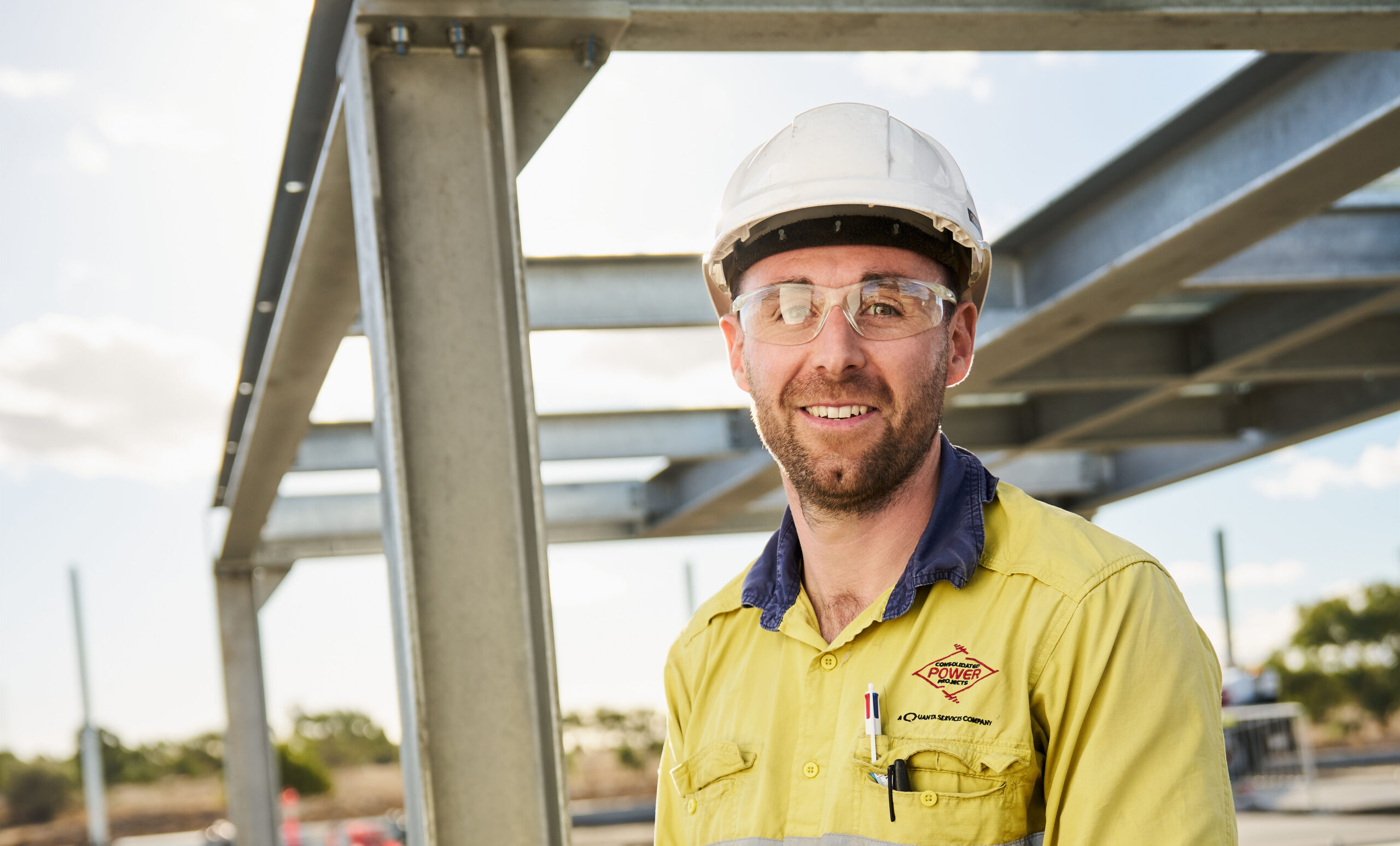
Just months after major heart surgery, CPP employee Chris Fyvie is preparing to tackle one of Australia’s biggest running events, the TCS Sydney Marathon. His journey back to the start line has been shaped by the life-saving care of the Royal Flying Doctor Service and the support of a workplace that prioritised his wellbeing, helping him focus on recovery and return to work with confidence.
As a High Voltage Electrician working on the TransGrid Substation connection in Wellington, in regional New South Wales, Chris was no stranger to demanding work. A seasoned endurance athlete, he had completed marathons, ultra-marathons and Ironman events, and considered himself to be in excellent health.
So, when he began experiencing breathing difficulties while working near Dubbo, heart disease was the last thing on his mind.
“For a couple of weeks, I was having breathing issues and was in and out of the doctors,” Chris said.
“I got an inhaler and had chest scans, but nothing seemed to explain what was going on. Then one day I just couldn’t really breathe at all and started getting chest tightness, so I went to hospital thinking it was a chest infection.”
Instead, doctors discovered Chris had a serious abnormal heart rhythm and was experiencing episodes of ventricular tachycardia, a potentially life-threatening condition that can lead to cardiac arrest.
“I thought I had gone in for a relatively minor problem, but it turned out to be much more serious than that.”
Chris spent around 10 days in Dubbo Hospital while medical teams worked to stabilise his condition and secure a specialist hospital bed in Sydney.
With his condition requiring urgent specialist care, an ambulance transfer was not an option.
As soon as a bed became available, the Royal Flying Doctor Service (RFDS) stepped in.
“The RFDS was amazing. As soon as we go the call, they were ready to get me there that day.”
Throughout the flight, Chris was cared for by specialist medical staff who remained by his side the entire journey.
“The nurse kept me informed about what was happening and helped keep me calm. There were two nurses who transported me from the airport to the hospital. They were fantastic and made a pretty stressful situation much easier.”
“The service was absolutely essential. They got me Sydney quickly so I could receive the specialist treatment I urgently required.”
Following his transfer, Chris underwent surgery and had an implantable defibrillator fitted to help manage his condition. He now takes lifelong medication and spent five months away from work recovering.
While navigating the uncertainty of his diagnosis and recovery, Chris says the support he received from CPP made a significant difference.
“I tried to keep things fairly quiet, but I was in regular contact with my line manager, Peter Martin. He was fantastic.”
“There was absolutely no pressure whatsoever to return to work. In fact, I came back before anyone at CPP suggested I should.”
For Chris, one of the biggest concerns during recovery was whether he would be able to continue working in the electrical industry.
“Having a defibrillator creates restrictions around some electrical work, and that was a real worry for me. But Peter reassured me that it wasn’t an issue and that CPP would find a role for me.”
Rather than focusing on what Chris could no longer do, CPP worked with him to adapt his role and support his return to work.
“They’ve adjusted my role to suit my situation and moved me more into construction activities rather than some of the brownfield electrical work I was doing before.”
“There was never any pressure. There was always support. I’ve worked for myself and for smaller companies before, and it could have been a very different experience.”
For Chris, that support provided peace of mind at a time when his focus needed to be on recovery.
“Knowing that my job was secure and that CPP was willing to work with me made a huge difference.”
Before his diagnosis, Chris had completed the Sydney Marathon just two weeks earlier. After surgery, he feared his running days might be over.
“When all this happened, I thought that part of my life was finished.”
Determined to return to the sport he loves, Chris worked closely with his doctors and a sports cardiologist to safely rebuild his fitness.
“When they eventually approved me to train again with a modified program, I knew I wanted to get back on the start line.”
Now, as he prepares for this year’s Sydney Marathon, Chris is running with a renewed purpose – raising funds for the Royal Flying Doctor Service.
“Getting back to marathon running is important for my physical and mental wellbeing, but I also wanted to give something back.”
“This experience was a real eye-opener. I always thought I was fit and healthy, but it showed me just how important services like the Royal Flying Doctor Service are for Australians living and working in regional areas.”
From life-saving emergency care to a workplace that prioritised his wellbeing and helped him return to work with confidence, Chris has experienced firsthand the difference that support can make.
Now, every kilometre he runs is a thank you to the people and organisations that helped him get back on his feet. “I am trying to fundraise $5000 to help Royal Flying Doctor Service (RFDS), which is an essential service in Australia that deserves support. Please help me by making a donation through my page”. Donate here.
You can also select to donate to the Royal Flying Doctor Service (RFDS) division in your local region: